Viridis

VIRIDIS HYDRANGEA (HYDRANGEA PANICULATA ‘VIRIDIS’)

If you’ve been searching for a panicle hydrangea that looks nothing like the tired pink and white versions everyone else has planted, Viridis is your answer. This stunning cultivar breaks the mold entirely—instead of the predictable color progression, Viridis opens with creamy white flowers that gradually shift to a soft, sophisticated lime-green as the season progresses. By late summer and fall, those chartreuse tones deepen into warm peachy-bronze, giving you three distinct color shows from a single plant. It’s the kind of plant that makes people stop and ask, “What is that?”

What it looks like

Viridis is a deciduous shrub with an upright, naturally pyramidal form that looks refined without requiring rigid pruning. The foliage is medium green and finely textured, providing an elegant backdrop for the real star: those distinctive panicles of florets. The flower clusters are full and substantial—sometimes reaching 10 inches long—and they emerge in that clean white before embarking on their slow transformation through green and into those warm autumn tones. The progression is gradual and beautiful, meaning your plant delivers visual interest across multiple seasons rather than just a brief burst of color.

Growing it in your garden

Here’s what makes Viridis particularly valuable in Connecticut gardens: it’s remarkably unfussy. This hydrangea thrives in full sun to partial shade, though you’ll get the most robust blooms and the most dramatic color transitions with at least six hours of direct sunlight daily. It’s far more forgiving than many ornamentals when it comes to soil conditions—it’ll grow in clay, loam, or sandy soil, though it prefers something slightly moist and well-draining. Unlike some temperamental plants, Viridis isn’t finicky about pH levels, though it does appreciate consistent moisture during establishment.

Plant it in spring or early fall to give it a full season to settle in before winter stress. Space it about 5 to 6 feet from other shrubs, as it does fill out nicely. Panicle hydrangeas like Viridis are generally pest-resistant and disease-resistant in our New England climate, which means less worry and more enjoyment.

Through the seasons

Spring brings fresh green foliage emerging on those strong, sturdy stems. By early summer, you’ll start to see the flower buds forming, and by mid-June or early July, the white panicles begin opening. As July turns to August, the magic happens—those creamy flowers start blushing green, creating an unusual and sophisticated look that’s absolutely lovely in flower arrangements or viewed from your porch. September brings deeper greens and warmer peachy tones creeping in, and by October, the entire flower head has shifted to warm bronze-burgundy. Even as the leaves fall away in late autumn, those dried panicles remain attractive on the bare branches, providing architectural interest all the way through winter. The dried flowers are excellent for cutting and drying for indoor arrangements—they hold their color beautifully.

Where it shines

Viridis is perfect as a specimen plant where you want year-round visual interest. It works beautifully in mixed shrub borders, where its unique color progression complements nearby plants in ways that pink or white hydrangeas might not. It’s excellent as a focal point in foundation plantings, along entryways, or as a standalone feature in a landscape bed. The upright form also makes it suitable for smaller spaces—it won’t sprawl sideways and take over a corner the way some shrubs might. In Connecticut gardens, it performs reliably through our cold winters and summer heat waves without complaint.

Perfect companions

Viridis pairs wonderfully with ornamental grasses like Karl Foerster feather reed grass, which provides vertical echo and softness. Pair it with shade-tolerant hostas or heucheras for foliage contrast. Native New England asters blooming in late summer create a beautiful companion show, as do Russian sages with their airy purple flowers. Evergreen companions like dwarf Alberta spruces or Korean boxwoods provide winter structure and color contrast against those bronze autumn panicles.

Care tips

Viridis is low-maintenance, but a few practices will keep it thriving. Water regularly during the first growing season and during dry spells throughout summer. A 2-to-3-inch layer of mulch around the base helps retain moisture and keeps roots cool. Prune in late winter or early spring if needed—panicle hydrangeas bloom on new wood, so don’t be afraid to cut them back to shape them as desired. Deadheading spent flowers in early winter encourages a tidier appearance, though leaving them on for winter interest is equally valid. No fertilizer is usually necessary in Connecticut’s reasonably fertile soils, but a slow-release shrub fertilizer in spring won’t hurt.

Quick facts

  • Hardiness Zone: Zones 3-8 (thrives throughout Connecticut)
  • Mature Height & Spread: 6-8 feet tall, 4-5 feet wide
  • Bloom Season: June through October with color transitions
  • Light Requirements: Full sun to partial shade (6+ hours sun for best blooms)
  • Water Needs: Moderate; regular moisture during growing season
  • Available at: Both our retail and wholesale locations
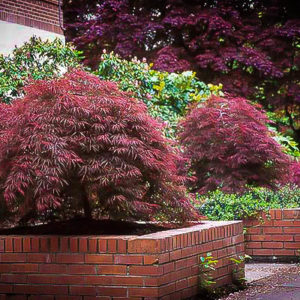
Viridis

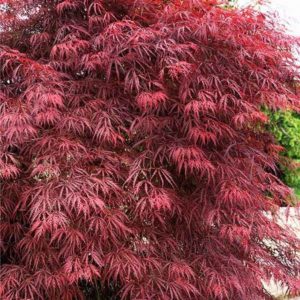
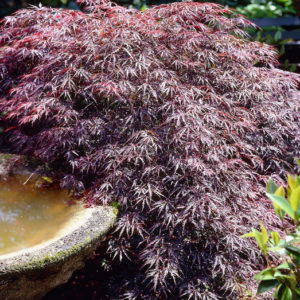
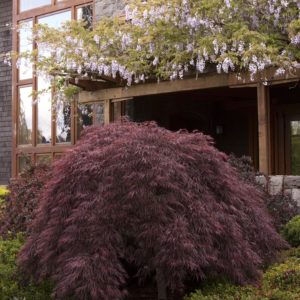
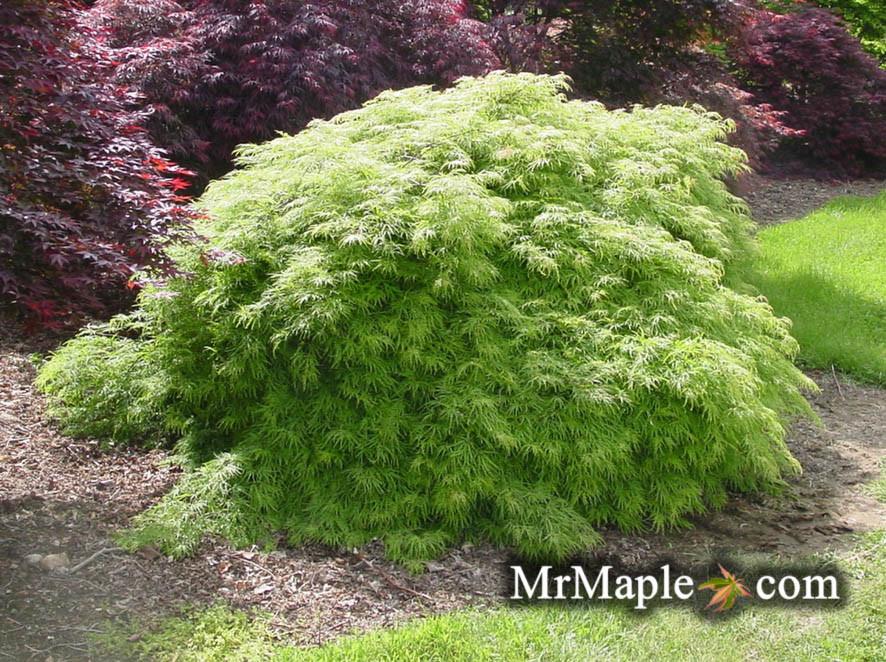
Vivid green, finely cut leaves change to beautiful shades of gold and crimson in the fall. Small tree with graceful weeping habit and excellent branching architecture. An excellent accent under larger trees, near a water garden or in container.

Description

Viridis

VIRIDIS HYDRANGEA (HYDRANGEA PANICULATA ‘VIRIDIS’)

If you’ve been searching for a panicle hydrangea that looks nothing like the tired pink and white versions everyone else has planted, Viridis is your answer. This stunning cultivar breaks the mold entirely—instead of the predictable color progression, Viridis opens with creamy white flowers that gradually shift to a soft, sophisticated lime-green as the season progresses. By late summer and fall, those chartreuse tones deepen into warm peachy-bronze, giving you three distinct color shows from a single plant. It’s the kind of plant that makes people stop and ask, “What is that?”

What it looks like

Viridis is a deciduous shrub with an upright, naturally pyramidal form that looks refined without requiring rigid pruning. The foliage is medium green and finely textured, providing an elegant backdrop for the real star: those distinctive panicles of florets. The flower clusters are full and substantial—sometimes reaching 10 inches long—and they emerge in that clean white before embarking on their slow transformation through green and into those warm autumn tones. The progression is gradual and beautiful, meaning your plant delivers visual interest across multiple seasons rather than just a brief burst of color.

Growing it in your garden

Here’s what makes Viridis particularly valuable in Connecticut gardens: it’s remarkably unfussy. This hydrangea thrives in full sun to partial shade, though you’ll get the most robust blooms and the most dramatic color transitions with at least six hours of direct sunlight daily. It’s far more forgiving than many ornamentals when it comes to soil conditions—it’ll grow in clay, loam, or sandy soil, though it prefers something slightly moist and well-draining. Unlike some temperamental plants, Viridis isn’t finicky about pH levels, though it does appreciate consistent moisture during establishment.

Plant it in spring or early fall to give it a full season to settle in before winter stress. Space it about 5 to 6 feet from other shrubs, as it does fill out nicely. Panicle hydrangeas like Viridis are generally pest-resistant and disease-resistant in our New England climate, which means less worry and more enjoyment.

Through the seasons

Spring brings fresh green foliage emerging on those strong, sturdy stems. By early summer, you’ll start to see the flower buds forming, and by mid-June or early July, the white panicles begin opening. As July turns to August, the magic happens—those creamy flowers start blushing green, creating an unusual and sophisticated look that’s absolutely lovely in flower arrangements or viewed from your porch. September brings deeper greens and warmer peachy tones creeping in, and by October, the entire flower head has shifted to warm bronze-burgundy. Even as the leaves fall away in late autumn, those dried panicles remain attractive on the bare branches, providing architectural interest all the way through winter. The dried flowers are excellent for cutting and drying for indoor arrangements—they hold their color beautifully.

Where it shines

Viridis is perfect as a specimen plant where you want year-round visual interest. It works beautifully in mixed shrub borders, where its unique color progression complements nearby plants in ways that pink or white hydrangeas might not. It’s excellent as a focal point in foundation plantings, along entryways, or as a standalone feature in a landscape bed. The upright form also makes it suitable for smaller spaces—it won’t sprawl sideways and take over a corner the way some shrubs might. In Connecticut gardens, it performs reliably through our cold winters and summer heat waves without complaint.

Perfect companions

Viridis pairs wonderfully with ornamental grasses like Karl Foerster feather reed grass, which provides vertical echo and softness. Pair it with shade-tolerant hostas or heucheras for foliage contrast. Native New England asters blooming in late summer create a beautiful companion show, as do Russian sages with their airy purple flowers. Evergreen companions like dwarf Alberta spruces or Korean boxwoods provide winter structure and color contrast against those bronze autumn panicles.

Care tips

Viridis is low-maintenance, but a few practices will keep it thriving. Water regularly during the first growing season and during dry spells throughout summer. A 2-to-3-inch layer of mulch around the base helps retain moisture and keeps roots cool. Prune in late winter or early spring if needed—panicle hydrangeas bloom on new wood, so don’t be afraid to cut them back to shape them as desired. Deadheading spent flowers in early winter encourages a tidier appearance, though leaving them on for winter interest is equally valid. No fertilizer is usually necessary in Connecticut’s reasonably fertile soils, but a slow-release shrub fertilizer in spring won’t hurt.

Quick facts

  • Hardiness Zone: Zones 3-8 (thrives throughout Connecticut)
  • Mature Height & Spread: 6-8 feet tall, 4-5 feet wide
  • Bloom Season: June through October with color transitions
  • Light Requirements: Full sun to partial shade (6+ hours sun for best blooms)
  • Water Needs: Moderate; regular moisture during growing season
  • Available at: Both our retail and wholesale locations