Description
SYRINGA ‘CITYLINE SERIES’
What if a lilac could fit perfectly into your Connecticut garden without taking over the entire block? The Cityline Series represents a revolutionary rethinking of a classic New England favorite—compact, refined, and absolutely loaded with fragrant blooms year after year. If you’ve admired lilacs from afar but dismissed them as too big or too messy for your space, this is the moment to reconsider. These are lilacs reimagined for modern gardens where square footage matters but beauty cannot be compromised.
What it looks like
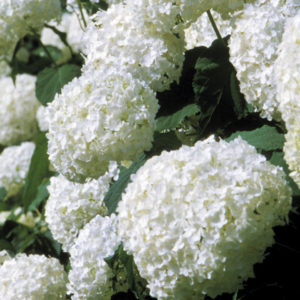
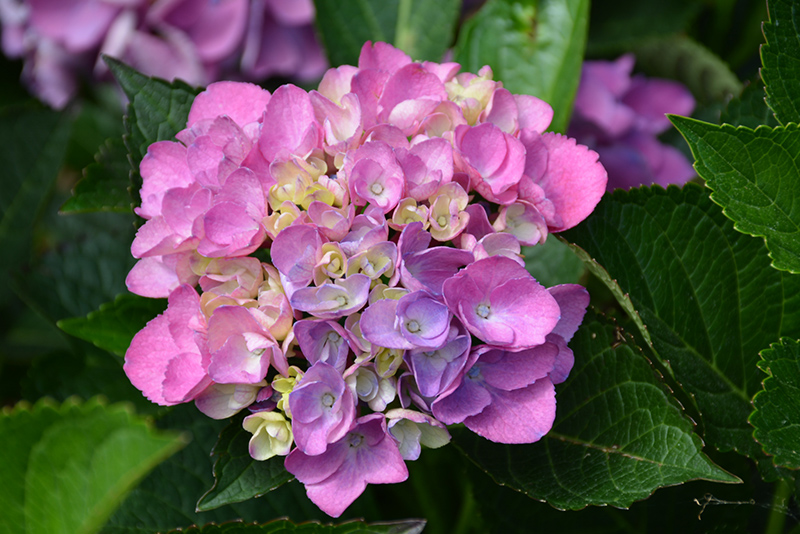
The Cityline Series is elegantly restrained compared to traditional lilac varieties. These shrubs grow as dense, well-branched plants with a naturally tidy, vase-like form that needs minimal shaping. The foliage is a healthy, clean green—nothing fancy, but honest and attractive. The real show happens in late spring when the branches disappear beneath masses of double flowers. Depending on which cultivar you choose, blooms range from soft lavender to deep purple to blush pink and white. The flowers are fully double, almost rose-like in their fullness, and they cover the plant so completely that you’ll find yourself stopping to admire them multiple times a day.
Growing it in your garden
Cityline lilacs have been bred specifically for gardeners who want lilac beauty without lilac sprawl. Plant yours in full sun—at least six hours daily—where it’ll develop that dense, compact form the series is known for. These shrubs are unfussy about soil; they actually prefer well-draining conditions and won’t tolerate soggy feet, so amend heavy Connecticut clay with compost before planting. The beauty of these cultivars is that they’re virtually self-sufficient once established. No special feeding required, no constant pruning demands. They simply grow into their naturally graceful shape and reward you with flowers.
Through the seasons
Spring is undoubtedly the Cityline Series’s moment of glory, typically blooming in May when Connecticut gardens are hungry for color and fragrance. The flowers last for two to three weeks, and yes, they’re fragrant—that classic lilac perfume that says “New England spring” like nothing else. Summer brings attractive, disease-resistant foliage that remains fresh looking through the heat. Fall color is modest but pleasant, a soft yellow-green. Winter reveals the plant’s architectural form—helpful for structure in a resting garden. These lilacs hold their own aesthetic appeal even when dormant.
Where it shines
The Cityline Series excels in urban gardens, suburban yards with modest dimensions, and container cultivation. Foundation plantings, mixed shrub borders, and even large containers on patios all suit these plants beautifully. They’re perfect as specimens where you want to highlight their delicate flowers, or massed in groups of three or five for a more dramatic spring display. Because they don’t sprawl or require aggressive pruning, they work wonderfully in formal or semiformal landscapes where structure matters. These lilacs have become beloved in New England communities where gardeners have discovered that you don’t need a country estate to grow lilacs—just the right variety and the right spot.
Perfect companions
Pair Cityline lilacs with spring ephemerals like bleeding heart or hellebores beneath them—they’ll appreciate the dappled shade the lilac eventually provides. Combine with late-blooming VIBURNUM varieties, CLETHRA, or HYDRANGEA for a succession of interest through the growing season. Underplant with ornamental grasses like CAREX or FESTUCA, or with shade-tolerant perennials like HEUCHERA. The delicate flowers of the lilacs work beautifully with the texture of finer foliage plants. Consider early spring bulbs like tulips or hyacinths to bridge the gap between winter and lilac bloom time.
Care tips
Water regularly during the first growing season to establish a deep, healthy root system. Once established, Cityline lilacs are quite drought-tolerant and need supplemental water only during extended dry spells. Prune immediately after flowering if needed—and you likely won’t need much. Simply remove any dead wood and you’re done. Avoid pruning in late summer or fall, which can remove next year’s flower buds. Deadheading spent flowers encourages tidiness but isn’t mandatory. Watch for lilac leaf miners in May; they’re rarely serious but can be managed with early insecticide sprays if you’re concerned. This series was bred for disease resistance, so powdery mildew and other common lilac issues rarely appear.
Quick facts
- Hardiness Zone: 3–8
- Mature Height & Spread: 4–5 feet tall and wide
- Bloom Season: Late spring (May)
- Light Requirements: Full sun (6+ hours daily)
- Water Needs: Moderate; drought-tolerant once established
- Available at: Both our retail and wholesale locations