Common Boxwood

BUXUS SEMPERVIRENS

If you’ve been searching for the backbone of a Connecticut garden—that reliable evergreen that anchors your landscape through snow, ice, and the unpredictable springs we’re famous for—Common Boxwood is exactly what you’ve been looking for. This isn’t just any shrub. It’s the plant that has defined New England gardens for over three centuries, the one that shows up in historic homes from Litchfield to the coast, and the one that gardeners trust when they need something that simply works, year after year.

What it looks like

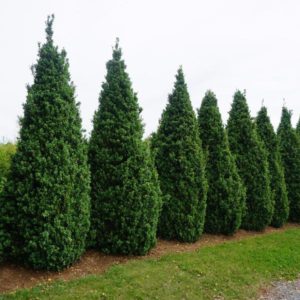
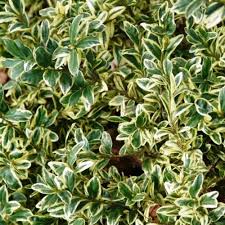
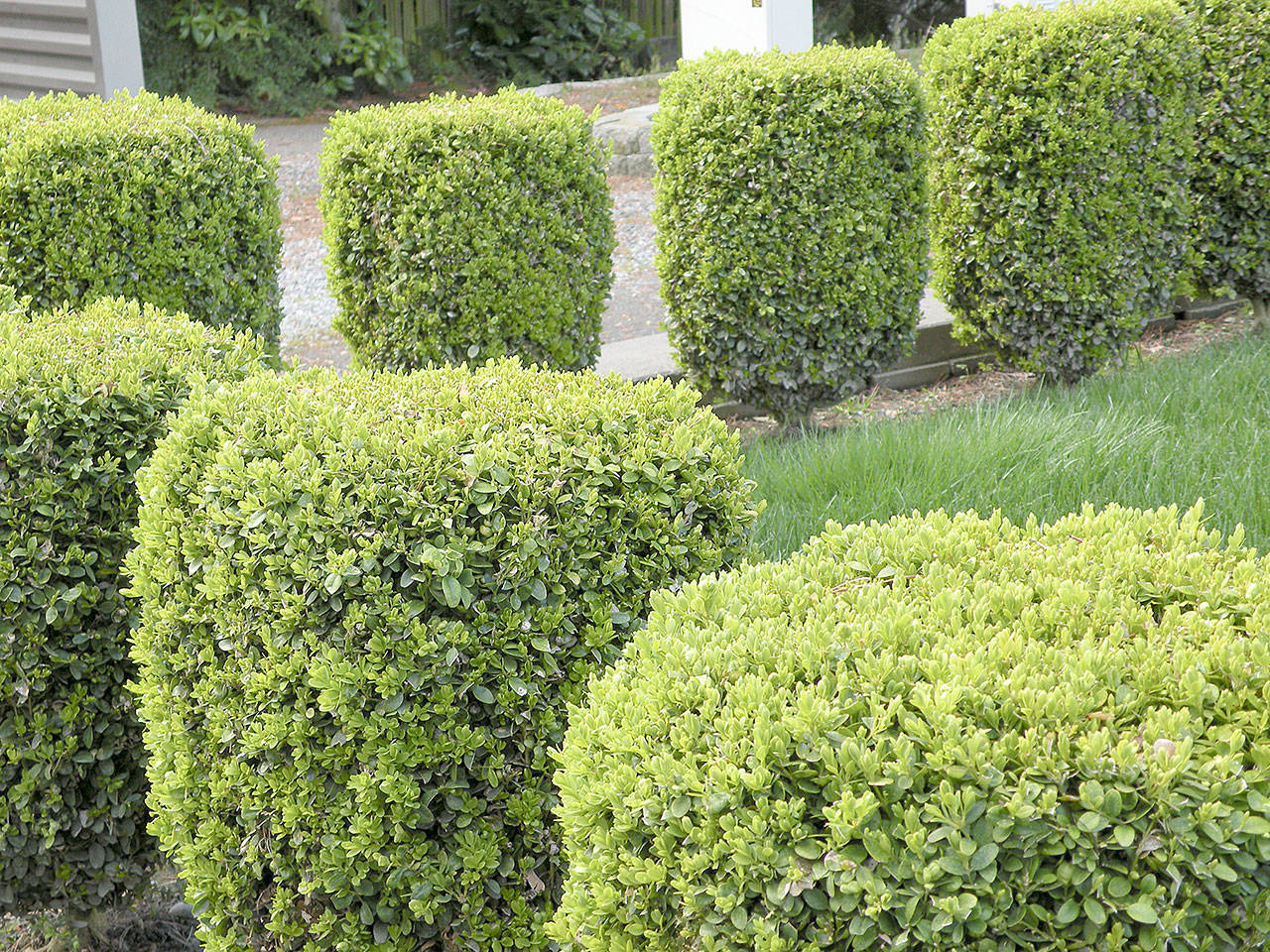
Common Boxwood is the picture of refined simplicity. It’s a dense, compact shrub with tiny, rounded leaves in a rich, deep green that stays vibrant even in the depths of winter. The foliage is so fine and closely packed that you can clip it into virtually any shape you can imagine—formal spheres, pyramids, low hedges, or let it grow naturally into a soft, billowing mound. The growth habit is naturally tidy, which is part of why gardeners have relied on it for centuries. Some plants demand constant attention; boxwood seems to know exactly what you want it to be.

Growing it in your garden

Common Boxwood is a Connecticut champion because it doesn’t ask for much. It thrives in average, well-draining soil and adapts to everything from full sun to partial shade—a flexibility that makes it perfect for those tricky spots in every garden. It’s incredibly hardy, handling our winter winds, spring frosts, and everything in between without flinching. Yes, it prefers consistent moisture and good drainage, but it’s far more forgiving than people assume. Plant it in early spring or fall, mulch lightly to keep the soil cool and consistent, and you’re essentially done with the hard work.

Through the seasons

This is where Common Boxwood truly shines. While other shrubs fade in fall or disappear entirely in winter, boxwood stays put, stays green, and stays gorgeous. Spring brings the tiniest pale yellow flowers—subtle and sweet, beloved by bees—followed by summer’s fresh growth that deepens into that classic boxwood green. Fall and winter are when this evergreen proves its worth, providing structure, color, and evergreen interest when so much else in the Connecticut landscape has gone dormant. It’s the plant that makes December look intentional.

Where it shines

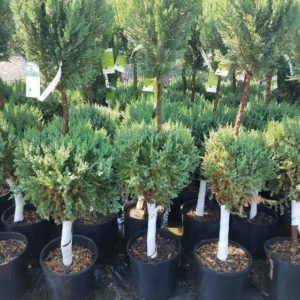
Think of Common Boxwood as your garden’s utility player. It’s perfect for formal hedges and borders, where its dense growth and ability to tolerate shearing make it unmatched. It works beautifully as a specimen plant in a foundation planting, anchoring corners and defining edges. Frame a doorway with it. Line a pathway. Create a knot garden. Use it to outline beds or create low partitions. It even does wonderfully in containers, where its slow, controlled growth means you can maintain it for years without constant pruning. In small Connecticut gardens where every plant needs to earn its place, Common Boxwood works overtime.

Perfect companions

Pair Common Boxwood with shade-loving perennials like hellebores and epimedium to create layered, sophisticated combinations. Underplant it with low groundcovers such as creeping sedum or ajuga for seasonal color without competing for attention. Plant it alongside other spring bloomers like magnolias or crabapples—the boxwood’s greenery will frame their flowers beautifully. For winter interest, combine it with red-twig dogwoods, ornamental grasses, or bright-berried shrubs like winterberry hollies. The evergreen backdrop lets everything else shine while providing year-round structure.

Care tips

Common Boxwood asks for very little, but a few simple practices keep it thriving. Water regularly during the first season after planting to establish a strong root system, then water deeply during dry spells—boxwood doesn’t appreciate drought stress. Prune in late spring or early summer to maintain shape and encourage dense growth; avoid heavy pruning in fall, which can expose tender new growth to winter damage. Watch for boxwood leaf spot in humid conditions, particularly if air circulation is poor; thin the interior of dense plantings if needed. A light spring application of slow-release fertilizer supports healthy growth, though established plants rarely need feeding. That’s truly it. No fussy requirements, no surprises.

Quick facts

  • Hardiness Zone: Zones 5-9
  • Mature Height & Spread: 15-20 feet tall (but easily maintained much smaller through pruning)
  • Bloom Season: Spring
  • Light Requirements: Full sun to part shade
  • Water Needs: Moderate; prefers consistent moisture and well-draining soil
  • Available at: Both our retail and wholesale locations
Common Boxwood

Category:

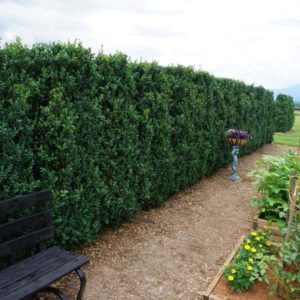
The species specific epithet means always green. The American Boxwood is a broadly rounded, multi-branched evergreen shrub or small tree that can grow up to 15′-20′ tall at maturity though it can be kept much shorter through pruning.

Description

Common Boxwood

BUXUS SEMPERVIRENS

If you’ve been searching for the backbone of a Connecticut garden—that reliable evergreen that anchors your landscape through snow, ice, and the unpredictable springs we’re famous for—Common Boxwood is exactly what you’ve been looking for. This isn’t just any shrub. It’s the plant that has defined New England gardens for over three centuries, the one that shows up in historic homes from Litchfield to the coast, and the one that gardeners trust when they need something that simply works, year after year.

What it looks like

Common Boxwood is the picture of refined simplicity. It’s a dense, compact shrub with tiny, rounded leaves in a rich, deep green that stays vibrant even in the depths of winter. The foliage is so fine and closely packed that you can clip it into virtually any shape you can imagine—formal spheres, pyramids, low hedges, or let it grow naturally into a soft, billowing mound. The growth habit is naturally tidy, which is part of why gardeners have relied on it for centuries. Some plants demand constant attention; boxwood seems to know exactly what you want it to be.

Growing it in your garden

Common Boxwood is a Connecticut champion because it doesn’t ask for much. It thrives in average, well-draining soil and adapts to everything from full sun to partial shade—a flexibility that makes it perfect for those tricky spots in every garden. It’s incredibly hardy, handling our winter winds, spring frosts, and everything in between without flinching. Yes, it prefers consistent moisture and good drainage, but it’s far more forgiving than people assume. Plant it in early spring or fall, mulch lightly to keep the soil cool and consistent, and you’re essentially done with the hard work.

Through the seasons

This is where Common Boxwood truly shines. While other shrubs fade in fall or disappear entirely in winter, boxwood stays put, stays green, and stays gorgeous. Spring brings the tiniest pale yellow flowers—subtle and sweet, beloved by bees—followed by summer’s fresh growth that deepens into that classic boxwood green. Fall and winter are when this evergreen proves its worth, providing structure, color, and evergreen interest when so much else in the Connecticut landscape has gone dormant. It’s the plant that makes December look intentional.

Where it shines

Think of Common Boxwood as your garden’s utility player. It’s perfect for formal hedges and borders, where its dense growth and ability to tolerate shearing make it unmatched. It works beautifully as a specimen plant in a foundation planting, anchoring corners and defining edges. Frame a doorway with it. Line a pathway. Create a knot garden. Use it to outline beds or create low partitions. It even does wonderfully in containers, where its slow, controlled growth means you can maintain it for years without constant pruning. In small Connecticut gardens where every plant needs to earn its place, Common Boxwood works overtime.

Perfect companions

Pair Common Boxwood with shade-loving perennials like hellebores and epimedium to create layered, sophisticated combinations. Underplant it with low groundcovers such as creeping sedum or ajuga for seasonal color without competing for attention. Plant it alongside other spring bloomers like magnolias or crabapples—the boxwood’s greenery will frame their flowers beautifully. For winter interest, combine it with red-twig dogwoods, ornamental grasses, or bright-berried shrubs like winterberry hollies. The evergreen backdrop lets everything else shine while providing year-round structure.

Care tips

Common Boxwood asks for very little, but a few simple practices keep it thriving. Water regularly during the first season after planting to establish a strong root system, then water deeply during dry spells—boxwood doesn’t appreciate drought stress. Prune in late spring or early summer to maintain shape and encourage dense growth; avoid heavy pruning in fall, which can expose tender new growth to winter damage. Watch for boxwood leaf spot in humid conditions, particularly if air circulation is poor; thin the interior of dense plantings if needed. A light spring application of slow-release fertilizer supports healthy growth, though established plants rarely need feeding. That’s truly it. No fussy requirements, no surprises.

Quick facts

  • Hardiness Zone: Zones 5-9
  • Mature Height & Spread: 15-20 feet tall (but easily maintained much smaller through pruning)
  • Bloom Season: Spring
  • Light Requirements: Full sun to part shade
  • Water Needs: Moderate; prefers consistent moisture and well-draining soil
  • Available at: Both our retail and wholesale locations