Description

ILEX CRENATA ‘HOVII’
There’s something almost magical about a plant that arrives at your garden already shaped into something sculpted, something intentional. A topiary makes a statement before a single season passes—it says you’re someone who pays attention to detail, who understands that gardens are living art. This two-ball topiary does exactly that, presenting a sophisticated exclamation point for your landscape right from the moment it’s planted.
What it looks like
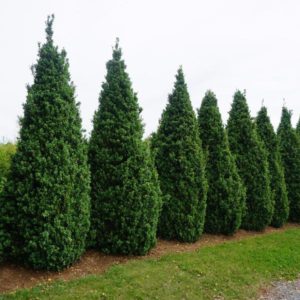
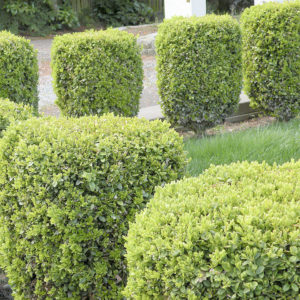
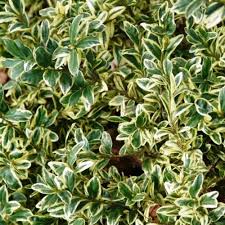
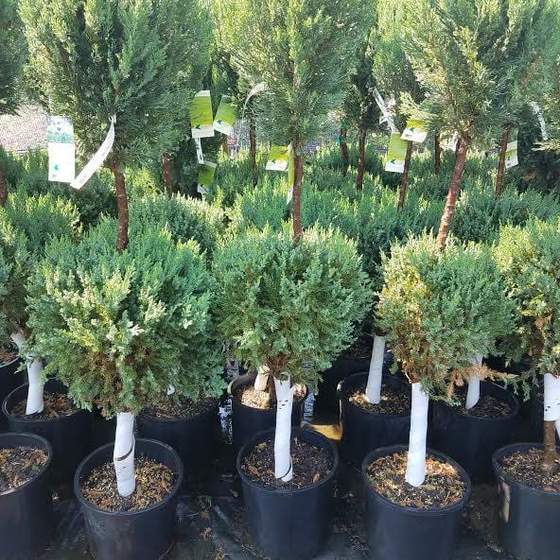
Imagine two perfect spheres stacked like a carefully balanced snowman, each orb densely packed with tiny, glossy leaves in rich evergreen. This is ILEX CRENATA ‘HOVII’, the Japanese holly, meticulously pruned into a formal two-ball topiary form. The foliage is incredibly fine-textured—almost fern-like—creating a sophisticated, almost lace-like appearance that catches light beautifully throughout the year. The deep green color never fades, never loses its elegance, even when snow falls. It’s the kind of plant that makes people stop and ask where you bought it, then look slightly envious when you tell them you grew it.
Growing it in your garden
Here’s what makes this topiary particularly perfect for Connecticut gardens: ILEX CRENATA is tough as nails in our climate while remaining elegant enough for formal spaces. It wants full sun to partial shade—give it at least four hours of direct sunlight daily, and it’ll reward you with dense, compact growth. The soil should be well-draining but consistently moist; think of it as preferring soil that never completely dries out but also never sits soggy. If your garden leans toward acidic (which many New England gardens do), this plant considers that ideal.
Plant it where you want it to be a focal point. A formal entryway, flanking a gate, anchoring a corner garden bed—this is a plant that asks to be noticed. It won’t spread or sprawl; it stays exactly where you put it, exactly the shape you want it.
Through the seasons
Spring brings fresh, tender growth that deepens into that lush summer green. Summer is when this topiary truly shines—the formal geometry stands out against softer plantings, and the dense foliage creates clean lines in the garden. Fall and winter are where Japanese holly proves its worth in Connecticut. When most plants fade, lose their leaves, or turn drab, this evergreen topiary remains vibrantly green, providing structure and color throughout the coldest months. It handles our winter winds without damage and needs no special winter protection.
Where it shines
This two-ball topiary is born for formal gardens, contemporary landscapes, and anywhere you want to add architectural interest. Plant paired specimens on either side of an entrance for instant sophistication. Tuck it into the corner of a raised bed, where its geometric form will contrast beautifully with cascading sedums or silver-foliaged plants. In smaller gardens, it solves the problem of how to add year-round structure without taking up much space. It’s also brilliant in containers—the formal shape doesn’t mind living in a pot on a patio, and it brings that curated, intentional feeling wherever you place it.
Perfect companions
This topiary wants company that respects its formal nature without competing for attention. Surround it with low-growing evergreens like BUXUS (boxwood) or EUONYMUS fortunei. Silver-foliaged plants like ARTEMISIA or dusty miller create stunning contrast against that deep green. In spring, underplant with pale primrose or white hellebores. Ornamental grasses with a fine texture—like FESTUCA—echo its delicate leaf structure without overwhelming it. You want plants that enhance without distracting from the topiary’s sculptural presence.
Care tips
Maintaining your topiary is simpler than you might think. Light pruning once or twice a year keeps the shape crisp—just clip back any wayward growth with sharp hand pruners. Most gardeners do a light trim in late spring and again in midsummer. Water regularly during the first year after planting to establish deep roots; after that, it’s fairly drought-tolerant once established, though it prefers consistently moist soil. Feed it with a balanced, slow-release fertilizer in spring. Watch for spider mites during hot, dry spells (they occasionally bother ILEX in stressful conditions), though Connecticut’s humidity usually keeps them in check.
Quick facts
- Hardiness Zone: 5-9 (thrives in Connecticut’s Zone 6)
- Mature Height & Spread: 2-3 feet tall (depending on how long you grow it)
- Bloom Season: Insignificant flowers; grown for foliage
- Light Requirements: Full sun to partial shade (4+ hours direct sun preferred)
- Water Needs: Consistently moist, well-draining soil
- Available at: Both our retail and wholesale locations