Fastigiata

CARPINUS BETULUS ‘FASTIGIATA’

If you’ve been searching for an elegant solution to a narrow garden space, here it is. The Fastigiata European Hornbeam is a columnar marvel that brings architectural grace to Connecticut gardens without demanding a sprawling footprint. Picture a tree that grows skyward like a living exclamation point, dense and refined, with the kind of presence that makes people stop and ask what it is. This isn’t just a tree squeezed into a tight space—it’s a statement piece that happens to be incredibly well-behaved.

What it looks like

The Fastigiata is all about restraint and elegance. This upright cultivar of CARPINUS BETULUS grows as a narrow, columnar form that can reach 40 feet tall while staying just 15 feet wide at maturity—a remarkable vertical accent in any landscape. The foliage is the classic hornbeam look: small, oval leaves with a slightly pleated texture that catches the light beautifully. In spring, the emerging leaves are a soft, luminous green. Come autumn, they transform into warm golden-bronze tones that linger beautifully on the tree well into November, adding weeks of seasonal interest when many other plants have already faded.

The branching structure is tight and dense, creating a compact silhouette even in winter when you can truly appreciate the tree’s architectural bones. You’ll notice the smooth, silver-gray bark as the seasons change, adding another layer of visual interest during dormancy.

Growing it in your garden

This is where the Fastigiata really shines for Connecticut gardeners. It’s a workhorse that handles our region’s climate without fussing. Plant it in full sun to part shade—it’s not picky, though it performs best with at least six hours of direct sunlight. The soil preference leans toward well-draining, but here’s the beauty: once established, the Fastigiata is remarkably tolerant of various soil conditions, including clay, which makes it an excellent choice for many Connecticut properties where perfect soil might be wishful thinking.

Water regularly during the first season and during dry spells, but once established, this tree develops a strong root system and handles New England summers without constant coddling. Unlike some fancy ornamentals that demand fussy care, the Fastigiata is genuinely low-maintenance once you give it a solid start.

Through the seasons

Spring arrives with those soft new leaves unfurling in a haze of fresh green, then small, inconspicuous flowers appear—nothing dramatic, but pleasant. Summer is when the foliage densifies into a lush, refined mass that provides excellent screening and privacy without the heaviness of an overgrown shrub. Early autumn brings that golden-bronze transformation that’s absolutely stunning in October light, and the leaves persist beautifully, providing color and structure long after many deciduous trees have gone bare. Winter reveals the elegant, narrow branching pattern and smooth bark, making the Fastigiata attractive even in dormancy—a quality that sets it apart from many trees.

Where it shines

This cultivar is perfect for formal gardens, entrances, and narrow spaces where you want significant height without width. Plant it as a focal point at the end of a vista, use a pair to frame a gate or doorway, or create an allée down a property line. The Fastigiata also makes an excellent screening solution when space is limited—much more elegant than a typical hedge, and with that beautiful seasonal color show included.

It’s particularly lovely in contemporary gardens where clean lines and architectural forms are valued, but it’s equally at home in traditional landscapes. If you’re working with a narrow urban lot or a Connecticut property with space constraints, this tree solves the “tall but not wide” equation beautifully.

Perfect companions

Plant the Fastigiata with understory shade-lovers like HELLEBORUS or EPIMEDIUM to create layers of interest. Combine it with shade-tolerant perennials such as hostas or astilbes if you’re creating a screening situation. Evergreens like boxwood or yew can flank the tree, creating a more structured, formal appearance. For a softer, more naturalistic feeling, pair it with spring bulbs and woodland plants that will bloom before the tree’s canopy fully expands.

Care tips

Prune minimally—this tree naturally wants to grow in that beautiful columnar form. Any occasional wayward branches can be trimmed to maintain the outline, but you’re not fighting against the plant’s natural growth habit here. Water during establishment and periods of drought. Mulch around the base to conserve moisture and suppress weeds. The Fastigiata is remarkably pest and disease resistant in New England conditions; hornbeams just don’t attract significant pest pressure here, which means more time enjoying your garden and less time troubleshooting problems.

Quick facts

  • Hardiness Zone: 4–7
  • Mature Height & Spread: 40 feet tall × 15 feet wide
  • Bloom Season: Spring (inconspicuous flowers)
  • Light Requirements: Full sun to part shade
  • Water Needs: Moderate; drought-tolerant once established
  • Available at: Both our retail and wholesale locations
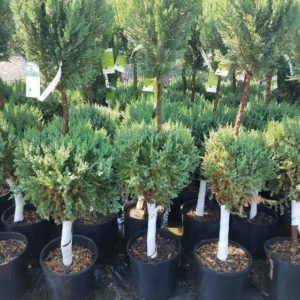
Fastigiata

Category:

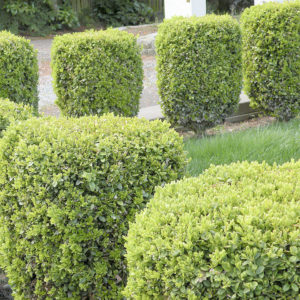
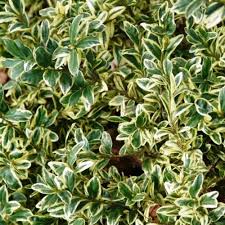
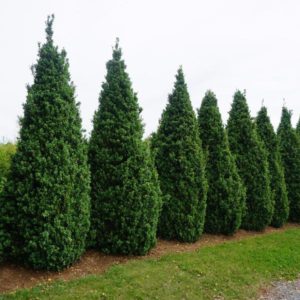
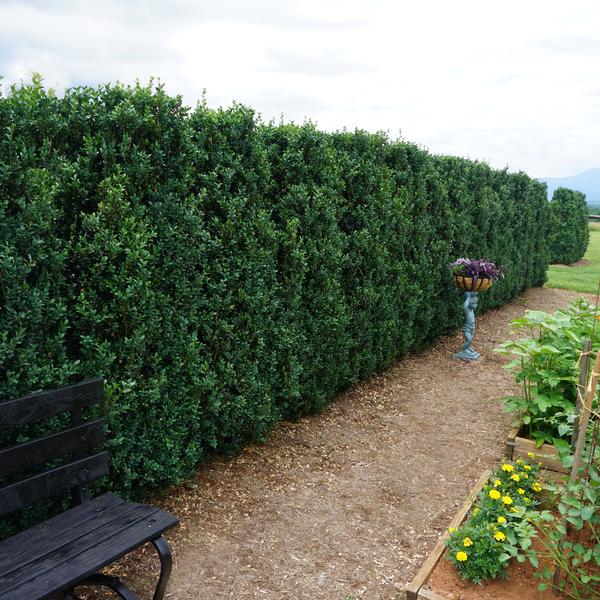
Buxus sempervirens is a rounded to broad-rounded shrub or small tree that is native primarily to open woodlands and rocky hillsides in southern Europe, northern Africa and western Asia. It typically matures in a shrubby form to 5-15′ tall, but may grow as a tree to as much as 20-30′ tall.

Pot Size (gallons), Height: 18-24″

Description

Fastigiata

CARPINUS BETULUS ‘FASTIGIATA’

If you’ve been searching for an elegant solution to a narrow garden space, here it is. The Fastigiata European Hornbeam is a columnar marvel that brings architectural grace to Connecticut gardens without demanding a sprawling footprint. Picture a tree that grows skyward like a living exclamation point, dense and refined, with the kind of presence that makes people stop and ask what it is. This isn’t just a tree squeezed into a tight space—it’s a statement piece that happens to be incredibly well-behaved.

What it looks like

The Fastigiata is all about restraint and elegance. This upright cultivar of CARPINUS BETULUS grows as a narrow, columnar form that can reach 40 feet tall while staying just 15 feet wide at maturity—a remarkable vertical accent in any landscape. The foliage is the classic hornbeam look: small, oval leaves with a slightly pleated texture that catches the light beautifully. In spring, the emerging leaves are a soft, luminous green. Come autumn, they transform into warm golden-bronze tones that linger beautifully on the tree well into November, adding weeks of seasonal interest when many other plants have already faded.

The branching structure is tight and dense, creating a compact silhouette even in winter when you can truly appreciate the tree’s architectural bones. You’ll notice the smooth, silver-gray bark as the seasons change, adding another layer of visual interest during dormancy.

Growing it in your garden

This is where the Fastigiata really shines for Connecticut gardeners. It’s a workhorse that handles our region’s climate without fussing. Plant it in full sun to part shade—it’s not picky, though it performs best with at least six hours of direct sunlight. The soil preference leans toward well-draining, but here’s the beauty: once established, the Fastigiata is remarkably tolerant of various soil conditions, including clay, which makes it an excellent choice for many Connecticut properties where perfect soil might be wishful thinking.

Water regularly during the first season and during dry spells, but once established, this tree develops a strong root system and handles New England summers without constant coddling. Unlike some fancy ornamentals that demand fussy care, the Fastigiata is genuinely low-maintenance once you give it a solid start.

Through the seasons

Spring arrives with those soft new leaves unfurling in a haze of fresh green, then small, inconspicuous flowers appear—nothing dramatic, but pleasant. Summer is when the foliage densifies into a lush, refined mass that provides excellent screening and privacy without the heaviness of an overgrown shrub. Early autumn brings that golden-bronze transformation that’s absolutely stunning in October light, and the leaves persist beautifully, providing color and structure long after many deciduous trees have gone bare. Winter reveals the elegant, narrow branching pattern and smooth bark, making the Fastigiata attractive even in dormancy—a quality that sets it apart from many trees.

Where it shines

This cultivar is perfect for formal gardens, entrances, and narrow spaces where you want significant height without width. Plant it as a focal point at the end of a vista, use a pair to frame a gate or doorway, or create an allée down a property line. The Fastigiata also makes an excellent screening solution when space is limited—much more elegant than a typical hedge, and with that beautiful seasonal color show included.

It’s particularly lovely in contemporary gardens where clean lines and architectural forms are valued, but it’s equally at home in traditional landscapes. If you’re working with a narrow urban lot or a Connecticut property with space constraints, this tree solves the “tall but not wide” equation beautifully.

Perfect companions

Plant the Fastigiata with understory shade-lovers like HELLEBORUS or EPIMEDIUM to create layers of interest. Combine it with shade-tolerant perennials such as hostas or astilbes if you’re creating a screening situation. Evergreens like boxwood or yew can flank the tree, creating a more structured, formal appearance. For a softer, more naturalistic feeling, pair it with spring bulbs and woodland plants that will bloom before the tree’s canopy fully expands.

Care tips

Prune minimally—this tree naturally wants to grow in that beautiful columnar form. Any occasional wayward branches can be trimmed to maintain the outline, but you’re not fighting against the plant’s natural growth habit here. Water during establishment and periods of drought. Mulch around the base to conserve moisture and suppress weeds. The Fastigiata is remarkably pest and disease resistant in New England conditions; hornbeams just don’t attract significant pest pressure here, which means more time enjoying your garden and less time troubleshooting problems.

Quick facts

  • Hardiness Zone: 4–7
  • Mature Height & Spread: 40 feet tall × 15 feet wide
  • Bloom Season: Spring (inconspicuous flowers)
  • Light Requirements: Full sun to part shade
  • Water Needs: Moderate; drought-tolerant once established
  • Available at: Both our retail and wholesale locations