Dee Runk Boxwood

BUXUS MICROPHYLLA VAR. JAPONICA ‘DEE RUNK’

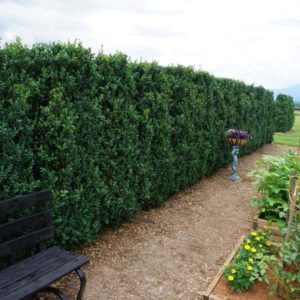
If you’ve been searching for a boxwood that actually thrives in Connecticut’s unpredictable winters while staying tight, columnar, and architectural without constant fussing, Dee Runk might just be the answer you’ve been waiting for. This Japanese boxwood cultivar brings something different to the table—a naturally narrow, almost fastigiate growth habit that makes it perfect for creating living walls, framing doorways, or adding vertical punctuation to garden beds without the legwork of heavy pruning.

What it looks like

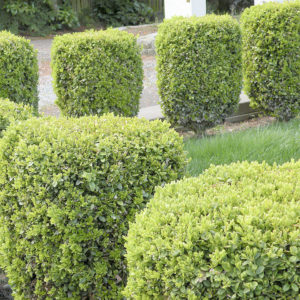
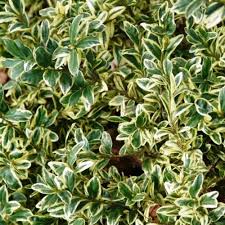
Dee Runk is the refined cousin of typical boxwoods. It grows with a distinctly upright, columnar form that can reach five to seven feet tall but stays refreshingly narrow—usually just two to three feet wide. The foliage is finely textured with small, deep green leaves that maintain their color year-round, even through New England’s coldest months. Unlike some boxwoods that turn bronze or purple in winter, Dee Runk stays a rich forest green, providing reliable color when the landscape needs it most. The leaves have a subtle glossy quality that catches light beautifully on sunny winter days.

Growing it in your garden

This is where Dee Runk earns its reputation. It’s remarkably tolerant of Connecticut’s variable climate, with better winter hardiness than many Japanese boxwood selections. Plant it in well-draining soil—boxwoods despise wet feet, and our New England springs can be soggy. Morning sun is ideal; it helps prevent fungal issues while the plant can handle afternoon shade without getting leggy. Space plants about two to three feet apart if you’re creating a screen or hedge. Once established, Dee Runk needs significantly less pruning than traditional boxwoods because it naturally wants to grow upright and narrow. This means less work for you and a more relaxed garden vibe.

Through the seasons

Spring brings fresh new growth that’s slightly lighter than the mature foliage, creating a lovely textural depth. By early summer, the plant settles into its deep green presence—understated but utterly reliable. Dee Runk doesn’t produce showy flowers, which honestly is part of its appeal as a foliage plant; all its energy goes into creating a perfect green backdrop for your showier bloomers. Fall and winter are when this boxwood truly shines. While deciduous plants around it fade and drop, Dee Runk remains vigorous and evergreen, standing like a sentinel through snow and freeze. It won’t bronze out or lose leaves the way some boxwoods do, maintaining that sophisticated green-screen look even in February.

Where it shines

Think vertical accents. Dee Runk is magnificent flanking an entry, creating an allee down a walkway, or marking the corners of garden beds with architectural precision. It works beautifully in modern gardens where clean lines matter, but it’s equally at home in traditional Connecticut landscapes. Use it as a backdrop for roses, hydrangeas, or perennials that need a substantial green framework. It’s also excellent in containers for a more formal look—that narrow columnar form means you can maximize greenery without sprawling sideways. If you have a narrow space between property lines or a need for screening without taking up much horizontal real estate, Dee Runk solves that problem elegantly.

Perfect companions

Pair Dee Runk with flowering shrubs that appreciate similar well-drained conditions: butterfly bush, lilacs, and witchhazel all share its preferences. It creates a sophisticated frame for roses, lavender, and Russian sage. In shade gardens, underplant it with hellebores, coral bells, or hostas for textural contrast. Its evergreen presence means it works year-round with deciduous companions—imagine it rising behind spring-blooming bulbs or anchoring a winter garden of dogwoods and ornamental grasses.

Care tips

Water regularly during the first growing season to establish a deep root system, then taper off—mature plants need moderate water except during drought. Mulch around the base to keep roots cool and soil moisture consistent, but keep mulch a few inches away from the stem. Prune in late spring after last frost, removing any winter-damaged growth and maintaining shape with light heading-back if needed. Watch for boxwood leafminer and spider mites, particularly in dry conditions; good air circulation and avoiding overhead watering help prevent problems. In Connecticut, a slow-release, balanced fertilizer applied in early spring keeps Dee Runk looking its best. Unlike some boxwoods prone to decline, Dee Runk has proven resilience across our region.

Quick facts

  • Hardiness Zone: 5–9 (reliably hardy throughout Connecticut)
  • Mature Height & Spread: 5–7 feet tall × 2–3 feet wide
  • Bloom Season: Non-flowering; grown for foliage
  • Light Requirements: Full sun to partial shade
  • Water Needs: Moderate; prefers well-drained soil
  • Available at: Both our retail and wholesale locations
Dee Runk Boxwood

Category:

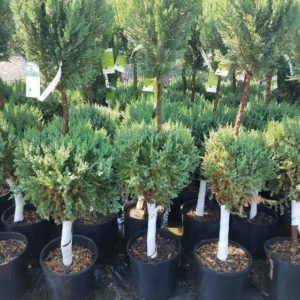
Dee Runk Boxwood has dark green foliage. The small glossy oval leaves remain dark green throughout the winter. Neither the flowers nor the fruit are ornamentally significant. Dee Runk Boxwood is a dense multi-stemmed evergreen shrub with a narrowly upright and columnar growth habit.

Pot Size (gallons), Height: 18-24″

Description

Dee Runk Boxwood

BUXUS MICROPHYLLA VAR. JAPONICA ‘DEE RUNK’

If you’ve been searching for a boxwood that actually thrives in Connecticut’s unpredictable winters while staying tight, columnar, and architectural without constant fussing, Dee Runk might just be the answer you’ve been waiting for. This Japanese boxwood cultivar brings something different to the table—a naturally narrow, almost fastigiate growth habit that makes it perfect for creating living walls, framing doorways, or adding vertical punctuation to garden beds without the legwork of heavy pruning.

What it looks like

Dee Runk is the refined cousin of typical boxwoods. It grows with a distinctly upright, columnar form that can reach five to seven feet tall but stays refreshingly narrow—usually just two to three feet wide. The foliage is finely textured with small, deep green leaves that maintain their color year-round, even through New England’s coldest months. Unlike some boxwoods that turn bronze or purple in winter, Dee Runk stays a rich forest green, providing reliable color when the landscape needs it most. The leaves have a subtle glossy quality that catches light beautifully on sunny winter days.

Growing it in your garden

This is where Dee Runk earns its reputation. It’s remarkably tolerant of Connecticut’s variable climate, with better winter hardiness than many Japanese boxwood selections. Plant it in well-draining soil—boxwoods despise wet feet, and our New England springs can be soggy. Morning sun is ideal; it helps prevent fungal issues while the plant can handle afternoon shade without getting leggy. Space plants about two to three feet apart if you’re creating a screen or hedge. Once established, Dee Runk needs significantly less pruning than traditional boxwoods because it naturally wants to grow upright and narrow. This means less work for you and a more relaxed garden vibe.

Through the seasons

Spring brings fresh new growth that’s slightly lighter than the mature foliage, creating a lovely textural depth. By early summer, the plant settles into its deep green presence—understated but utterly reliable. Dee Runk doesn’t produce showy flowers, which honestly is part of its appeal as a foliage plant; all its energy goes into creating a perfect green backdrop for your showier bloomers. Fall and winter are when this boxwood truly shines. While deciduous plants around it fade and drop, Dee Runk remains vigorous and evergreen, standing like a sentinel through snow and freeze. It won’t bronze out or lose leaves the way some boxwoods do, maintaining that sophisticated green-screen look even in February.

Where it shines

Think vertical accents. Dee Runk is magnificent flanking an entry, creating an allee down a walkway, or marking the corners of garden beds with architectural precision. It works beautifully in modern gardens where clean lines matter, but it’s equally at home in traditional Connecticut landscapes. Use it as a backdrop for roses, hydrangeas, or perennials that need a substantial green framework. It’s also excellent in containers for a more formal look—that narrow columnar form means you can maximize greenery without sprawling sideways. If you have a narrow space between property lines or a need for screening without taking up much horizontal real estate, Dee Runk solves that problem elegantly.

Perfect companions

Pair Dee Runk with flowering shrubs that appreciate similar well-drained conditions: butterfly bush, lilacs, and witchhazel all share its preferences. It creates a sophisticated frame for roses, lavender, and Russian sage. In shade gardens, underplant it with hellebores, coral bells, or hostas for textural contrast. Its evergreen presence means it works year-round with deciduous companions—imagine it rising behind spring-blooming bulbs or anchoring a winter garden of dogwoods and ornamental grasses.

Care tips

Water regularly during the first growing season to establish a deep root system, then taper off—mature plants need moderate water except during drought. Mulch around the base to keep roots cool and soil moisture consistent, but keep mulch a few inches away from the stem. Prune in late spring after last frost, removing any winter-damaged growth and maintaining shape with light heading-back if needed. Watch for boxwood leafminer and spider mites, particularly in dry conditions; good air circulation and avoiding overhead watering help prevent problems. In Connecticut, a slow-release, balanced fertilizer applied in early spring keeps Dee Runk looking its best. Unlike some boxwoods prone to decline, Dee Runk has proven resilience across our region.

Quick facts

  • Hardiness Zone: 5–9 (reliably hardy throughout Connecticut)
  • Mature Height & Spread: 5–7 feet tall × 2–3 feet wide
  • Bloom Season: Non-flowering; grown for foliage
  • Light Requirements: Full sun to partial shade
  • Water Needs: Moderate; prefers well-drained soil
  • Available at: Both our retail and wholesale locations