Description

ACER PALMATUM ‘DISSECTUM’
If you’ve been searching for a plant that combines architectural elegance with the kind of delicate beauty that makes people stop and stare, the Cutleaf Japanese Maple is it. This isn’t just another landscape tree—it’s a living sculpture that transforms your garden into something extraordinary. The moment you see its impossibly fine foliage unfurling in spring, you’ll understand why gardeners become absolutely devoted to Japanese maples.
What it looks like
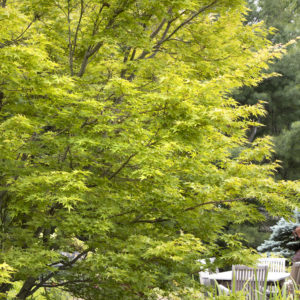
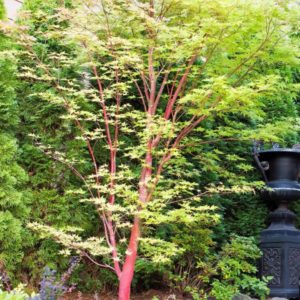
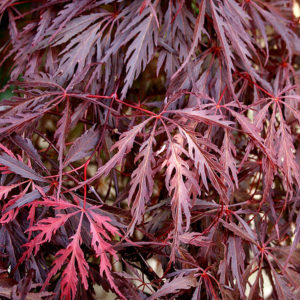
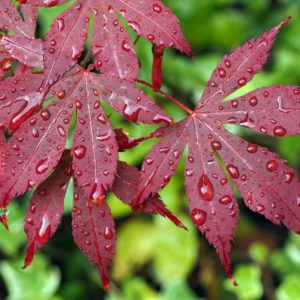
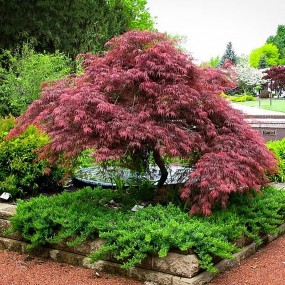
The Cutleaf Japanese Maple is a study in refined elegance. Its deeply dissected leaves are so finely divided they look almost feathery, creating an airy, almost cloud-like silhouette that seems to float above the ground. The delicate foliage typically emerges in soft spring green, then deepens slightly through summer before putting on an absolutely stunning autumn show—brilliant oranges, deep crimsons, and burgundy tones that glow in the fall light.
This is a smaller, more horizontal maple, often developing a graceful weeping or spreading form with multiple trunks that create wonderful visual interest even in winter. The dark branches become sculptural when the leaves drop, giving you seasonal architecture that’s equally beautiful year-round.
Growing it in your garden
Here’s what makes the Cutleaf Japanese Maple special in a New England garden: it’s tougher than it looks. While it does prefer afternoon shade and protection from intense summer sun (especially important in Connecticut’s hotter summers), it’s perfectly hardy throughout our region. The key is giving it rich, well-draining soil and consistent moisture, particularly during establishment and through dry spells. These maples aren’t fans of wet feet, so amend heavy clay soil with compost and consider planting in a slightly elevated location or mounded bed.
Unlike some finicky ornamentals, this maple actually thrives when given the right conditions. It wants a spot sheltered from harsh winter winds—not because it can’t handle the cold, but because those delicate branches do better with protection. Think about placing it where morning sun reaches it gently, but afternoon shade keeps it cool.
Through the seasons
Spring brings that unforgettable moment when the feathery foliage emerges, fresh and bright against the still-bare branches of your other trees. Summer is when the tree’s architectural form really shines—the airy canopy creates dappled shade perfect for shade-loving perennials below. Fall is the showstopper season, when those delicate leaves transform into fire-colored art that makes your entire garden feel intentional and curated.
Winter reveals the tree’s beautiful branching structure. There’s a quiet elegance to bare Japanese maples that many gardeners find even more appealing than the leafed-out season.
Where it shines
The Cutleaf Japanese Maple is absolutely perfect as a specimen plant—somewhere you want to feature it prominently. A sheltered corner near a patio, the focal point of a shade garden, or positioned where you can see it from a favorite window. It’s wonderful in Japanese-inspired gardens, but honestly, it works beautifully in any style of landscape where you want to add sophistication and visual interest.
It’s also excellent in containers (a practice common in Japan), which gives you flexibility to move it if needed and makes it perfect for patios and entryways. The compact size means even smaller Connecticut gardens can accommodate one.
Perfect companions
Plant the Cutleaf Japanese Maple where it can be the star, but complement it with shade-tolerant groundcovers like HELLEBORUS or HEUCHERA that won’t compete visually. Nearby, hostas, ferns, and ASTILBE create a lush, coordinated shade garden feel. Small rhododendrons or mountain laurel echo the delicate aesthetic. The key is letting the maple be the show while surrounding it with supportive players.
Care tips
Water deeply during establishment and through Connecticut’s hot, dry summers. A 2-3 inch layer of mulch keeps roots cool and maintains moisture, but keep it away from the trunk. Prune only to remove any dead wood or crossing branches—and do this in late summer after growth has slowed. These maples don’t need aggressive pruning; they naturally develop beautiful form.
Watch for Japanese beetle activity in mid-summer, though these maples are less susceptible than some plants. In very severe Connecticut winters, young trees benefit from a loose burlap wrap around the canopy for wind protection.
Quick facts
- Hardiness Zone: 5-8 (thrives throughout Connecticut)
- Mature Height & Spread: 8-12 feet tall, 12-15 feet wide, though varies by cultivar
- Bloom Season: Spring foliage emergence; vibrant fall color
- Light Requirements: Dappled shade to partial shade; afternoon shade is essential
- Water Needs: Consistent moisture; well-draining soil preferred
- Available at: Both our retail and wholesale locations